Why It’s Time to Tear Down the Broker-Carrier Wall
The freight industry has long operated with an invisible wall separating brokers and carriers. This barrier, built from years of miscommunication, one-sided expectations, and transactional relationships, has quietly shaped the way business gets done.
Brokers have felt burned by unreliable capacity. Carriers have felt underappreciated and unheard. Trust, once broken, has been hard to rebuild. While both sides rely on each other, the space between them has often been filled with frustration, misaligned goals, and missed opportunities. Now, that dynamic is starting to change.
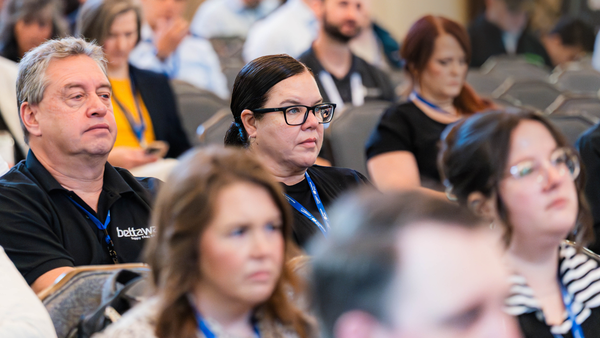
The Broker-Carrier Summit is not just another logistics event with panels and handshakes. It’s a growing movement centered on creating honest, solution-focused conversations between the people who move freight and the people who manage it. Freight professionals are showing up not to talk at one another but to listen, engage, and bridge the divide that has lingered far too long.
At its core, the summit is about rebuilding trust, forming real partnerships, and creating a freight community that values collaboration over competition.
Moving Past Surface-Level Interactions
Traditional conferences often focus on booth traffic, lead generation, and marketing one-liners. But real connections are rare in those environments. The Broker-Carrier Summit flips the script by removing the exhibit floor and replacing it with honest conversations.
Attendees don’t walk up to displays. They walk into rooms filled with brokers, carriers, and tech leaders who are talking to each other. Every interaction is intentional, and the goal is not a quick pitch but a real connection.
“Your network is your net worth,” said Dalton Hartley, Director of Carrier Solutions at Highway Transportation. “And this event is an amazing opportunity to grow that network because it pays off.”
Real Conversations in Real Time
Breakout sessions are the heartbeat of the Broker-Carrier Summit. These aren’t long PowerPoint presentations or scripted panels. They are open forums where people share frustrations, ask hard questions, and walk away with more clarity about each other's challenges.
Brokers get to hear directly from drivers about what makes a load miserable. Carriers explain why certain expectations don’t make sense in the real world. It’s not always easy, but it’s honest.
“This event aligns exactly with our values. It's about relationships. If we don’t have those in place, none of this works,” said Hartley.
The breakout sessions are designed to remove the filter. Participants speak freely, and moderators make sure the discussion remains constructive. The goal is not to complain but to build understanding and find better ways forward.
Built for Relationship Building
From the beginning, the summit was built with one goal in mind. That goal was to create a space where brokers and carriers could meet each other, talk openly, and leave with a sense of partnership. It’s not about grabbing business cards. It’s about building partnerships that extend beyond a single load.
Hartley shared how the event has become a reflection of his company’s mission. At Highway Transportation, the pillars of success include employees, community partners, and customers. The summit brings all three together in one place.
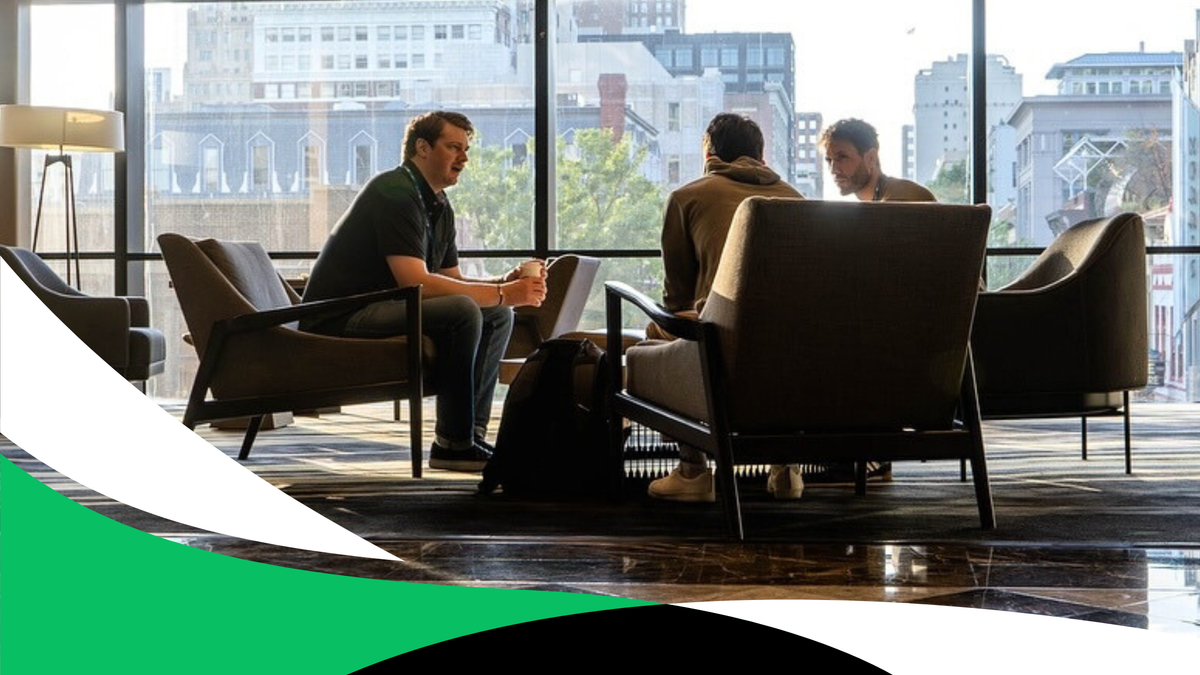
Whether it’s a 10-minute chat over coffee or a deeper connection in a learning lab, the time spent at this summit pays off. Carriers have found brokers who treat them with respect. Brokers have found carriers who show up and deliver consistently. The results speak for themselves.
Shared Learning in Every Session
Another standout feature of the summit is the Learning Labs. These are not top-down lectures. They are collaborative sessions where attendees come together to tackle some of the industry’s biggest challenges.
In one of this year’s most anticipated sessions, Rose Rocket will lead a lab on freight fraud. Rather than presenting a single solution, they will walk through real experiences and encourage others to share what has worked and what hasn’t. The entire session is focused on participation.
There is also a unique opportunity for brokers to see a DOT Level 1 inspection in person. Many have never witnessed what drivers go through on the road. These sessions allow them to understand the pressure and protocol behind the data they rely on to evaluate carriers.
“We’re trying to put brokers and carriers in each other’s shoes as much as possible,” said Broker-Carrier Summit Director of Marketing Trey Griggs.
From Meals to Moments That Matter
Even the meal schedule is designed with collaboration in mind. At “Lunch and Lanes,” attendees are encouraged to sit with people who specialize in the same mode. Reefer carriers sit with reefer brokers, and flatbed carriers sit with flatbed brokers. It’s a simple shift that creates powerful conversations.
Lunches are extended to give people time to talk without rushing. This approach respects how business actually gets done in freight. It’s not through pitches. It’s through people sitting down and getting to know each other.
There are also networking events like karaoke night and early-morning group workouts. These aren’t just social activities. They are chances to build camaraderie in a setting that feels less like a conference and more like a community.
A Culture That Carries Forward
Hartley is not just a supporter of the event. He’s a volunteer and member of what the summit calls the BCS Army. These are people who want to make the experience better for everyone. They give their time, share their energy, and help guide new attendees into meaningful conversations.
“The summit is the future. It’s where brokers and carriers can finally tear down that wall that’s been in the way for so long,” said Hartley.
That future is built on conversations, not presentations. On partnerships, not transactions. On honesty, not filters. And it is happening one connection at a time.
With each new summit, more freight professionals are walking away with better relationships, deeper understanding, and more profitable partnerships. The wall is coming down, and what’s being built in its place is something this industry has needed for a long time.