What U.S. Brokers Need to Know About Winning Mexican Freight
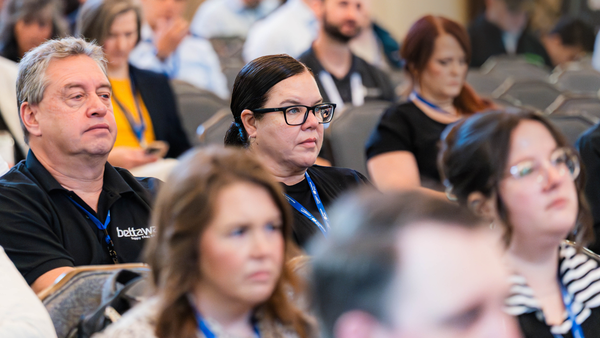
Want to move freight across the border? Start by getting on a plane. That was the message from Hector Rodriguez, a former customs officer turned cross-border freight expert, whose standing-room-only session in Fort Worth pulled back the curtain on what it really takes to succeed in Mexico.
Rodriguez has spent more than a decade in customs compliance, dispatch, safety, and trucking. His insights didn’t come from theory. They came from years on the ground, in the cab, and face-to-face with the very people who move freight in and out of Mexico every day.
You Can’t Just Show Up Unprepared
Rodriguez opened with a reality check for brokers who think having capacity is enough. He explained that it doesn’t matter how big your fleet is if you can’t navigate the expectations of Mexican customers.
“You cannot say, I have 3000 trailers, come to Mexico,” said Rodriguez. “No, no, no. Just told them and got a contract. Doesn't work like that.”
Doing business in Mexico requires presence, preparation, and persistence. Companies that rely only on emails and phone calls are unlikely to earn serious attention from shippers.
“You need to establish a presence, and you need to build a network, and then you can get some contracts,” he said.
Rodriguez made it clear that this isn’t about marketing polish. It’s about cultural fluency and showing up where the freight is.
Know the Market Before You Pitch
Before anyone even steps foot in Mexico, Rodriguez advised them to study the market they want to enter. Different regions specialize in different commodities, and showing up without knowing that wastes everyone’s time.
“You need to first research the market—who you're going to call,” said Rodriguez. “Because it's difficult that you guys approach a client, ‘Hey, I want to do business with you.’ ‘Yeah, do auto parts.’ ‘Oh, I have a flatbed.’ Right?”
He directed attendees to ProMexicoIndustry.com and SOMOSIndustria.com, both of which offer tools for identifying manufacturing clusters and supplier networks.
“They take a zone and they say, okay, we have these five factories from auto parts, and then we have these 10 guys who supply that factory,” said Rodriguez. “You have all the details, all the names from the company that you need now.”
Understanding the local freight mix and knowing who the decision-makers are is essential to earning trust and winning freight.
In Mexico, Business is Deeply Personal
Rodriguez emphasized a point many in logistics overlook. In Mexico, relationships move freight, not spreadsheets or load boards.
“In Mexico, it's not about price. It is, but it is not. It's about service, and it's about relationship,” said Rodriguez.
He explained that trust is built over time, through shared meals, casual visits, and showing up consistently for the people you serve.
“I go to weddings. I go to birthday parties. I go to carne asada all the time,” he said.
Jesica Campos of Vintage Logistics agreed. She explained that getting to the right person often starts with the gatekeeper, and winning them over is part of the job.
“Whenever I go to a meeting, I never talk about work or logistics,” said Campos. “Because I always like... I get water in my car, I get candy, I get donuts for them, in order to get a good contract.”
Relationships aren’t a strategy. They are the foundation. And those who invest in them are the ones who get the call when freight needs to move.
Door-to-Door Isn’t Just a Phrase
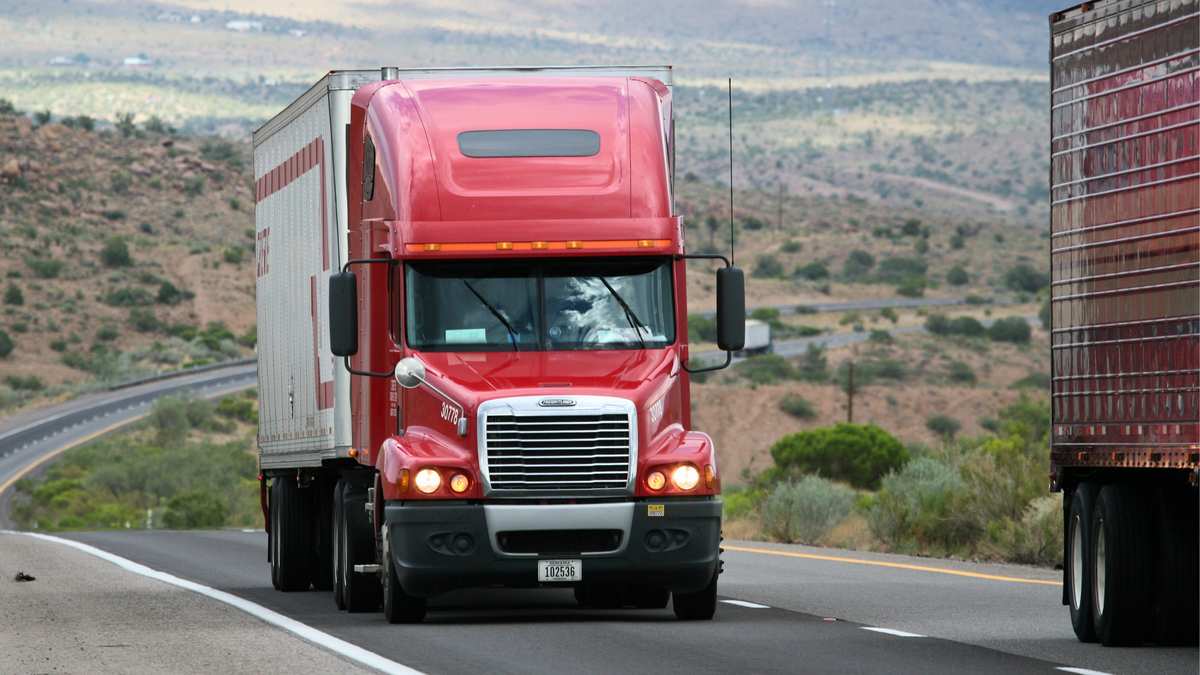
Rodriguez explained that many U.S. brokers misunderstand what Mexican customers expect when they say “door-to-door.” They don’t want trailers swapped or freight transferred at the border. They want it delivered by the same carrier, start to finish.
“They want the Mexican driver to take the load in Mexico and go all the way door to door, because they don't want the hassle of interchanging trailers,” explained Rodriguez.
Programs like FAST, combined with dual-plated trucks and legal authority on both sides of the border, make this possible. But it requires planning and the right partnerships.
“You can hire Mexican drivers. You don't really need to have a Mexican company to hire a Mexican driver,” he said.
Rodriguez encouraged brokers to partner with vetted Mexican carriers who already have this infrastructure. It’s faster, simpler, and more aligned with shipper expectations.
Security Concerns? They Exist on Both Sides
Several attendees asked about GPS jammers, hijackings, and load safety. Rodriguez didn’t minimize the risks. But he offered a counterpoint most people hadn’t considered.
“There’s a lot of theft right now here in the States—a lot,” said Rodriguez. “It's the same in Mexico. The only difference is they hijack the truck there, and they scam you here.”
He shared that he had successfully recovered stolen trailers in Mexico, something he’s never seen happen in the U.S.
“I recovered two loads, two trailers, complete trailers with everything on them in Mexico—and then never recovered here,” said Rodriguez.
With the right technology, local contacts, and preparation, operating securely in Mexico is possible. It just requires a different playbook.
Live Q&A: What Brokers Wanted to Know
During the session, Rodriguez answered dozens of questions from attendees. When asked how much Spanish someone needs to speak to succeed, he kept it simple.
“Most of the guys on the shipper charges don't speak English,” said Rodriguez. “If you try, they will try with you.”
When asked if factoring was common in Mexico, he answered, “It’s coming. It’s coming up and coming.”
Someone else asked if you need to be asset-based to get started in cross-border freight.
“You don’t need trucks. You can run as a brokerage,” said Rodriguez.
Over and over, his responses emphasized research, relationships, and cultural understanding. These aren't add-ons. They are requirements.
You Want the Freight? Go Get It
Rodriguez ended his talk with a piece of advice that applies to every logistics professional, regardless of company size or location.
“You need to go there. You need to establish a presence in Mexico,” said Rodriguez. “We don't have like a lot of resources to check the background on the broker... but you know that it's real if you see the guy.”
In Mexico, legitimacy isn’t something you declare. It’s something you prove.
Want the freight? Show up. Build trust. Be seen.