What Every Freight Professional Needs to Know About Risk and Liability
One lawsuit can destroy your company. That was the takeaway from one of the most sobering and impactful sessions at the April 2025 industry gathering in Indianapolis. Titled “Fraud Prevention: The Horrors of Non-Compliance and Unsafe Practices on Trucking Companies,” the session gave attendees a jarring look at what happens when carriers and brokers overlook risk, ignore safety protocols, or fail to prepare for legal exposure.
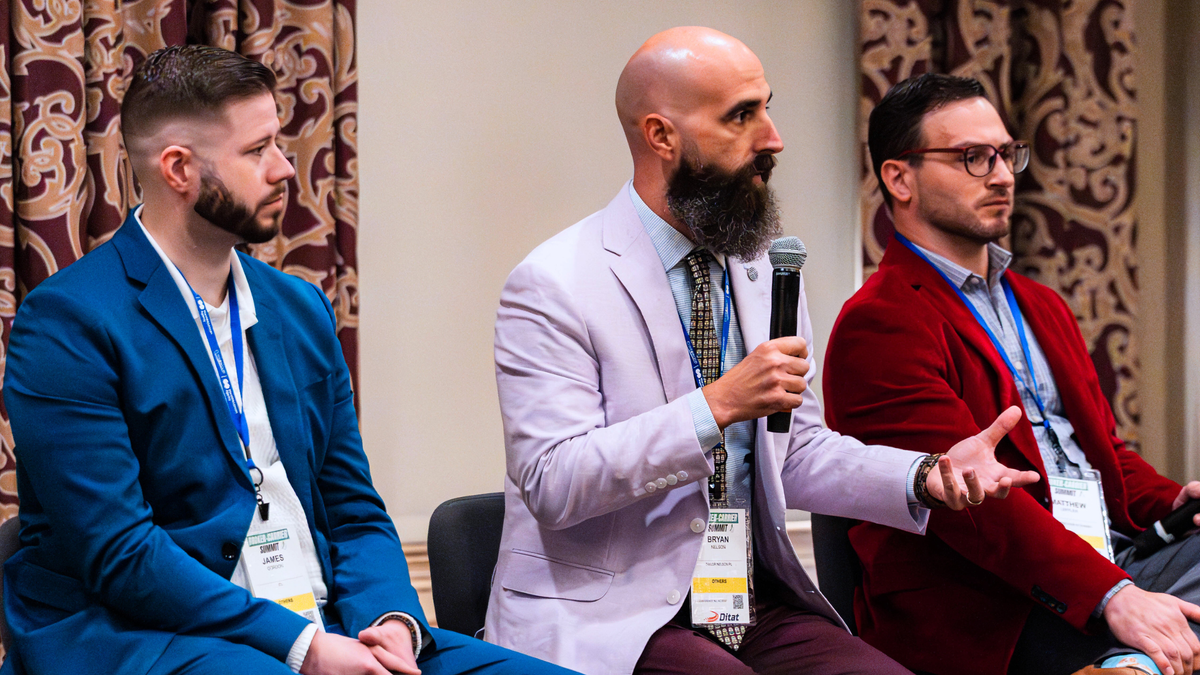
Moderated by Matthew Leffler, known across the industry as the “Armchair Attorney,” the panel of legal and compliance experts gave attendees a roadmap of what not to do and what it costs when you get it wrong.
“If you hit the wrong side of what we're going to talk about, you're bankrupt,” said Leffler.
The intent wasn’t just to terrify but to equip the industry with the legal and operational insight they’ll need to survive the next wave of disruption.
What Happens When Safety Fails
Legal nightmares often start with what seems like a minor detail. In transportation, those details can spiral into catastrophic liability.
The Werner Enterprises case illustrated that perfectly. A new driver operating in snowy conditions collided with a vehicle that had crossed a median. One child died, another was left a quadriplegic, and a third suffered permanent brain damage.
Even though the Werner truck was under the speed limit and had no mechanical issues, the company was found 70 percent responsible. The verdict reached $130 million after interest.
“You could do everything right and still be held liable,” said Leffler.
The case is still pending appeal in the Texas Supreme Court, but its message is already sending shockwaves through the industry.
When Equipment Becomes the Enemy
Another example discussed was the Wabash case, where the trailer manufacturer was hit with a $462 million verdict after a passenger vehicle crashed into the rear of a trailer.
“It is a way that we disinfect what actually takes place,” said Leffler. “You hit the back of a trailer going a very fast rate of speed, and you will lose your head.”
Despite the driver being drunk and unbelted, those facts were withheld from the jury. The court focused on the trailer's underride guard, which complied with 2004 federal standards but not the newer 35 mph threshold.
The takeaway was chilling. Even manufacturers and brokers using legally compliant equipment may still be vulnerable if someone argues they could have done more.
“If you have a policy and you don’t follow it, you are going to find yourself in trouble,” warned Bryan Nelson, logistics attorney and partner at Taylor Nelson PL, a national transportation law firm.
Broker Liability in a Legal Gray Zone
Negligent hiring is the primary risk for brokers, especially when they onboard carriers without following their own procedures. Two federal cases are guiding the national conversation, and they conflict with each other.
“There is no Supreme Court decision on this issue,” said Nelson. “So the answer to broker liability is: it depends.”
Until that ruling comes, brokers must be extremely cautious in vetting carriers and documenting those decisions.
Trailer Ownership Comes With a Warning Label
Many brokers have started acquiring trailers to better serve their shippers. But according to the panel, that move invites new levels of legal exposure.
“If you don’t even understand safety and compliance, and now you own a trailer, you’ve just created more liability for yourself,” said James Gordon, chief operating officer at ITL Freight Solutions.
Gordon urged brokers to take trailer ownership seriously. Without proper safety documentation, maintenance records, and inspection protocols, brokers who own equipment are stepping into carrier territory, whether they realize it or not.
“If it scares me and I understand more about compliance, then it should scare the hell out of you if you don’t,” said Gordon.
Understanding Preemption and Its Limits
F4A preemption can be a legal shield for brokers, but it is not guaranteed. This federal doctrine is intended to prevent states from interfering with certain parts of broker operations, such as pricing, routing, and services. However, recent court decisions have offered conflicting interpretations.
“Preemption doesn’t mean immunity,” said Nelson. “And not all courts interpret it the same way.”
Depending on where litigation is filed, a broker may or may not be protected from a state negligence claim. The only thing that’s certain is uncertainty.
“Courts don’t care who pays, just that someone does,” added Leffler.
That reality makes it even more critical for brokers to consult legal experts when structuring operations and contracts to preserve protection under F4A.
Insurance Is Not Optional
Insurance is no longer just a box to check. It is the difference between surviving a lawsuit and going out of business.
“Your policy gives you a duty to defend and a duty to indemnify,” said Leffler. “If you’re in this business and haven’t talked to your insurance providers about your risk exposure, you’re behind.”
The federal minimum of $750,000 is considered woefully inadequate by most experts, especially for brokers and carriers involved in high-value freight.
Strategic Fraud Is Escalating
Cargo theft is no longer just a matter of cut locks or missing pallets. It's become a billion-dollar problem, often driven by sophisticated international crime rings.
“What you’re experiencing is strategic cargo theft,” said Leffler. “These are criminal cartels internationally that are finding ways to defraud Americans.”
Gordon added that even well-run brokerages are getting hit by double brokering and fraudulent carrier impersonation, stressing the importance of deeper verification practices and real-time fraud awareness.
“You can do everything right and still get scammed,” said Gordon.
Survival Demands Compliance and Preparedness
The closing message was blunt. Being good at freight isn't enough. Surviving in today’s regulatory and legal environment requires operational discipline and legal foresight.
“Every issue we see today is a symptom of what we chose many years ago,” said Leffler. “The people who will survive the next iteration of this chaos will do so by using best practices.”
Whether you’re a broker, carrier, or a hybrid of both, compliance and accountability aren’t optional. They are the only path forward in an industry where liability is rising, fraud is surging, and the rules are constantly shifting.