Building Winning Teams in Freight: Culture, Clarity, and Commitment
In freight, competitive pay and generous perks can only go so far. To truly attract and retain top talent, companies need to build a culture that people want to be part of. That was the focus of the “Winning Teams, Winning Culture” panel at the Broker-Carrier Summit, where three industry leaders shared how intentional culture-building drives long-term success.
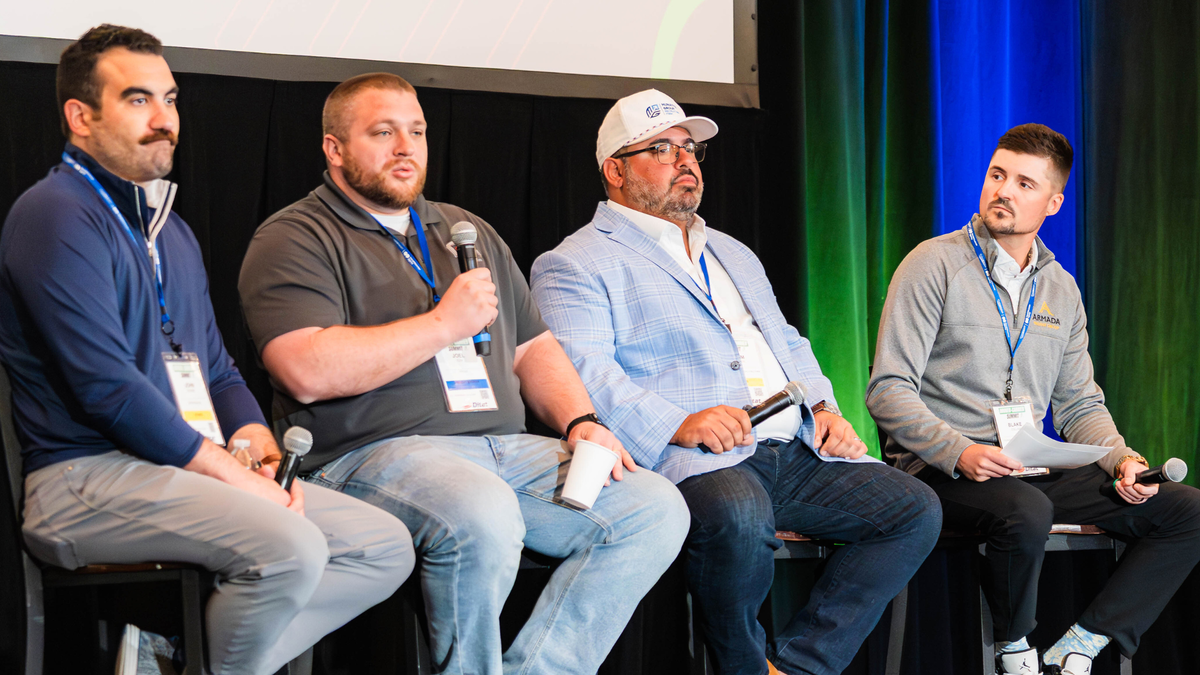
Panelists included Wasim Munayyer, CEO of the Munayyer Group; Joel Cox, Vice President of Strategy and Culture at READY-2-XECUTE (R2X); and John Rivers, Founder of JNR Consulting. Together, they unpacked how alignment, accountability, and authenticity can reshape organizations from the inside out.
Sales and Operations: One Team, One Outcome
A common issue across freight organizations is the disconnect between sales and operations. When those teams operate in isolation, companies often struggle to deliver on promises made to customers.
“There’s a misconception in our space about which one’s more important. The revenue generators or the folks who handle execution. But it’s like asking which hand you’d rather lose, your left or your right,” said Rivers.
Sales teams may close deals, but if operations can’t fulfill those promises, trust and performance both take a hit. Alignment between departments ensures that growth is sustainable and customers are retained.
“Your sales team has to know how operations works. They need to understand what kind of customers are the best fit for your systems. Otherwise, they’ll bring in freight you can’t handle, and that’s where tension starts,” said Cox.
That internal friction, when properly managed, can be a productive force. At R2X, they turn tension into collaboration by embedding their ideal customer profile into every sales conversation. Munayyer emphasized that this kind of clarity starts with identity.
“We’re hiring people across the spectrum, from sales to account management to product leadership. But none of that matters if the company doesn’t know who it is. You can’t hire right if you don’t know what right looks like,” said Munayyer.
Navigating Market Cycles with Resilience
A strong culture reveals itself when the market turns. Cox described how R2X rapidly grew in 2020 but had to evolve just as quickly during the freight downturn of 2022.
“In 2020, anyone could move freight. If you had a pulse, we had a place for you. But when the market collapsed, we had to reset. We’re not just hiring people to sling freight anymore. We’re building professionals who want to be here long term,” said Cox.
That reset required more than headcount adjustments. It meant investing in people, building mentorship programs, and reinforcing a shared mission. Cox pointed out that grit and recovery matter more than background.
“This industry isn’t for everyone. You will get punched in the face. You have to decide if you're the kind of person who can get back up,” Cox stressed.
Rivers explained that mindset shifts like these have to be modeled by leadership, especially during periods of uncertainty. Leadership’s example, he said, sets the tone for how teams respond to pressure and adversity.
“I use the phrase ‘control the controllables’ a lot. None of us can change the price of a reefer lane from Detroit to Jacksonville. But we can control our effort, our execution, and our consistency,” explained Rivers.
He believes that clear roles and expectations reduce confusion and improve morale. When employees know what’s expected, they can stay focused on performance instead of worrying about variables outside their control.
“It’s not your job to worry. That’s my job. Your job is to show up, focus, and improve your craft every day,” Rivers said.
In challenging times, a strong internal identity provides stability. Munayyer argued that every company needs to define its purpose clearly.
“Defining who you are as an employer is step one. What is your mission? What do you value? Your culture should come through in your hiring process, your leadership decisions, and how your people talk about working for you,” explained Munayyer.
Hiring for Culture, Not Just Capability
Relying solely on resumes to assess candidates often leads to poor hiring decisions. Munayyer believes that culture should guide every step of the recruitment process.
“Everyone has a carrier sales job description. They all look the same. What’s different is your culture, your energy, your values. That’s what should guide your interviews,” Munayyer said.
Creating a consistent candidate experience and training interviewers to reflect company values helps avoid misalignment. Rivers drew on his time at Coyote Logistics to illustrate the point, explaining how culture became the foundation for their hiring strategy.
“We built our identity around hiring hungry, competitive people who wanted to win. People who had been athletes or thrived in fast-paced environments. That made all the difference,” shared Rivers.
Hiring managers, he added, should ask specific questions to avoid costly mismatches. Without intentional questions, culture fit becomes an afterthought instead of a priority.
“You should ask what they’re bad at. Ask how they work with teams. Do they like to collaborate or do they prefer to work solo? None of the answers are wrong. But if you don’t ask, you won’t know who you’re bringing into your business,” he said.
Cox agreed and emphasized the importance of transparency during the hiring process. Setting clear expectations early can prevent mismatches later and attract the kind of professionals who want to be there.
“We’re intense. We expect people to be accountable. That’s not for everyone. But if we’re upfront about it, the people who join us are ready to be part of it,” emphasized Cox.
Internal Branding Starts from Within
A company’s brand isn’t just about customer perception. How employees talk about their jobs can be the strongest indicator of a company’s internal health.
“If your employees aren’t bragging about working for you, something’s wrong. That’s the biggest indicator that your culture isn’t what you think it is,” explained Munayyer.
He encouraged leaders to build systems of feedback and trust. Tools like structured one-on-ones, surveys, and leadership development can reinforce internal engagement and reveal gaps early.
Internal referrals also offer insight into employee satisfaction. Rivers said happy teams attract others like them and help grow a healthy organization.
“People want to work with people they like. And they know who the good ones are. If your team is happy, they’ll bring in more talent, if you reward them for it,” said Rivers.
Cox cautioned against bringing in high-level hires before the organization is ready. Without the right infrastructure, even the most talented executive can struggle.
“Don’t bring in top-level talent unless you’re ready for it. If you hire an executive and expect them to teach you everything, you’re setting them up to fail. You have to prepare the environment before they walk through the door,” Cox explained.
Better Broker-Carrier Relationships Begin with Empathy
Understanding the day-to-day realities of trucking is essential for brokers. Without that insight, it’s hard to build long-lasting partnerships with carriers.
“You have to expose your staff to the trucking side. Show them what maintenance looks like. Explain load bars and equipment. Help them understand what it takes to actually move freight,” said Cox.
At R2X, weekly meetings with carrier partners keep brokers connected to the on-the-ground challenges of transportation. These touchpoints promote empathy, communication, and alignment.
Rivers added that brokers must go beyond the transactional mindset. Carriers depend on brokers to be an extension of their business, and that trust must be earned.
“Carriers rely on brokers to be their sales team. Their marketing arm. But those relationships get destroyed when there’s no loyalty or empathy,” said Rivers.
He recalled a time when a previous company’s volume came at the cost of real relationships, resulting in instability and frustration.
“We were moving 1,200 loads a month using over 680 different carriers. That’s chaos. There were no relationships, just transactions. When things went wrong, everyone got mad. But no one trusted each other enough to fix it,” he said.
He urged attendees to prioritize depth over scale. Solid partnerships come from consistency and shared goals, not just volume.
“Build a relationship before you need to rely on it. That way, when something goes wrong, you can pick up the phone and work through it,” he added.
Transparency Builds Trust, Internally and Externally
Honesty is more than a value; it’s a business strategy. Cox emphasized that customers and carriers alike respond positively to transparency.
“We’re not making 30 percent margins on every load. That’s not how this works. Our customers wouldn’t allow it. But we still need to be profitable so we can provide great service and invest in tech,” Cox said.
Being upfront about margins, pricing pressures, and services leads to more informed partnerships. It also establishes a foundation of credibility that pays off over time.
Rivers urged brokers to go deeper in their carrier conversations. Quick dismissals don’t build relationships; curiosity does.
“Someone calls in, they can’t do the lane at your price, and you hang up. Ask five more questions. Where are they headed? What do they need? Those extra seconds can lead to long-term partnerships,” said Rivers.
Trust, both speakers noted, makes even difficult conversations easier. When transparency is part of the culture, everyone is better equipped to handle challenges.
Culture by Design, Not Default
The strongest message from the panel was that culture must be intentional. It doesn’t happen by accident or emerge organically. It is created, defined, and reinforced daily.
Leaders are responsible for shaping that culture through their values, their hiring, and their example. When those pieces align, culture becomes a business advantage rather than a liability.
Cox, Munayyer, and Rivers aren't just offering advice. They’re showing what it looks like to lead with clarity, invest in people, and build winning teams from the inside out.