Beyond the Load: Why Brand and Reputation Still Drive Growth in Freight
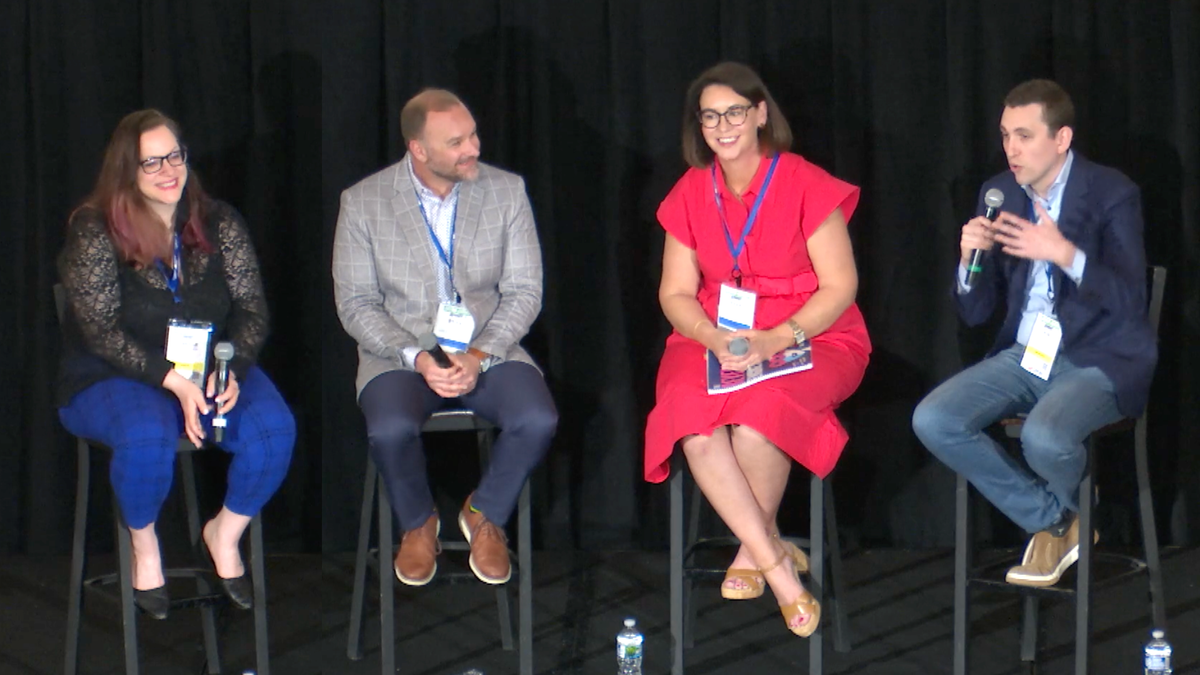
Brand is more than a logo. In freight, it’s your story, your service, your follow-through, and every interaction in between. At the April 2025 Broker-Carrier Summit in Indianapolis, panelists unpacked how small carriers and large brokerages alike can shape their reputation in a way that builds trust and fuels long-term growth.
Moderated by Rob Light, CEO of CarrierSource, the panel featured Jennifer Karpus-Romain, Executive Director of TMSA; Brian Asher, SVP of Logistics at Hyway Transportation; and Kara Smith Brown, Founder and CEO of LeadCoverage. Together, they shared lessons in consistency, transparency, and how to make the most of every touchpoint in a relationship-driven industry.
Your Brand Isn’t Just Marketing. It’s Every Touchpoint
One of the most common misconceptions about brand is that it lives solely in marketing. Karpus-Romain reminded the audience that every interaction with your company, not just the promotional materials, contributes to your brand’s reputation.
“Everyone who talks to your customers is giving that reputation, that experience, to your customers, your prospects, the market,” explained Jennifer Karpus-Romain.
The way your billing team answers the phone, the responsiveness of your operations team, and the clarity of your onboarding process all influence how your company is perceived. If those experiences don’t align with what your marketing and sales teams promote, it can create confusion and weaken trust.
Inside-Out: Branding Starts with Your Own People
When Hyway Transportation underwent a rebrand after merging with two Ohio-based carriers, the company made internal alignment a top priority. Rather than focus solely on external messaging, they educated and empowered their team members to become brand advocates.
“We went to every terminal and talked to every group. We did PowerPoints and walked them through, ‘This is why we decided to change. This is what we’re doing. Here’s the process,’” shared Asher.
The rollout wasn’t just about logos and color schemes. It involved preparing staff to speak consistently about the company’s identity, values, and direction. He explained that, for an employee-owned business, this internal clarity helped preserve culture while building momentum for future growth.
Small Teams Can Have Big Presence
Many smaller logistics companies assume they can’t compete with large firms when it comes to visibility. Brown argued that this isn’t true, especially when it comes to platforms like LinkedIn that reward authenticity and consistency over scale.
“I post to LinkedIn every single day… we can attribute about $5 million in recurring revenue to my LinkedIn posts,” emphasized Smith Brown.
Even casual or humorous posts can humanize a brand and drive engagement. Brown’s viral post about not being a hugger is proof that people connect with relatable content. By consistently showing up online, even small teams can build credibility and attract new business.
Don’t Just Show Up. Show You Understand
The panel stressed the danger of overpromising. In a trust-based industry like freight, saying you can do everything can quickly hurt your reputation if you can’t deliver.
“If we go out and push a message, and one of my brokers acts in a different way… that’s detrimental to the message that we’re sending,” stressed Asher.
Companies need to listen to customer needs and be honest about what they can provide. It’s better to do one thing well than to claim you do it all and fall short. That consistency builds confidence and earns long-term loyalty.
Intent Data and Thought Leadership Are Worth the Effort
Visibility isn’t just about quantity. Brown explained how targeted content and smart data usage can attract the right kind of attention and yield real results.
“Our best example of this at scale is ITS Logistics… $14 million in GP in the first seven months,” Brown explained, referencing the success of their “Port Rail Ramp Index.”
You don’t need to be a large company to put out valuable insights. Small firms that understand their niche and share knowledge regularly can gain traction. Tools like HubSpot help track engagement and guide sales efforts, allowing even lean teams to operate strategically.
Consistency and Listening Build Long-Term Trust
Measurement helps ensure your brand is working as intended, but traditional metrics only go so far. Karpus-Romain pointed to social listening and sentiment tracking as tools that can capture how customers feel.
“Our president meets with them regularly… and every year we do a summit,” said Asher. “We really get that feedback from them, not just about what we’re doing, but what they’re seeing in the market.”
That level of dialogue allows a company to adapt its services, preempt problems, and evolve while staying true to its core values. Creating intentional feedback loops ensures your team hears what customers are saying, not just what they want to hear.
Referrals and Repeat Business Reflect Your Reputation
Happy customers are your best sales team. Asher shared that many of Hyway’s newest contracts have come from referrals and past customers who moved to new companies.
“It’s the best sell. It’s the easiest sell,” said Asher. “A lot of our customers sometimes leave to go to other companies… most likely they’re going to take us to their next company.”
These repeat relationships are built on trust earned over time. By consistently delivering on promises, your brand becomes a reliable partner in a constantly shifting market.
Keep Showing Up and Follow Through
Marketing generates attention, but what happens next is just as important. Brown reminded the audience that most deals are lost not because of disinterest, but because of insufficient follow-up.
“Our SOP for reaching out to someone who showed a buying signal is 35 touches,” she said. “Two is not enough.”
This demonstrates how persistence pays off, especially when outreach is personalized and respectful. Following up across multiple channels helps ensure that potential customers don’t fall through the cracks. It also shows that you’re serious about the relationship.
Reputation is Earned, Not Claimed
Freight is a relationship-first business. No polished website or clever tagline can replace a history of doing right by your customers and partners.
“Everyone’s got a truck. Everyone’s got a warehouse. Everyone has a freight brokerage. But what is a little bit different with us?” questioned Asher.
That difference is built over time. Reputation comes from consistent service, thoughtful communication, and a willingness to keep learning. In the long run, brand isn’t about what you say. It’s about what others say when you’re not in the room.